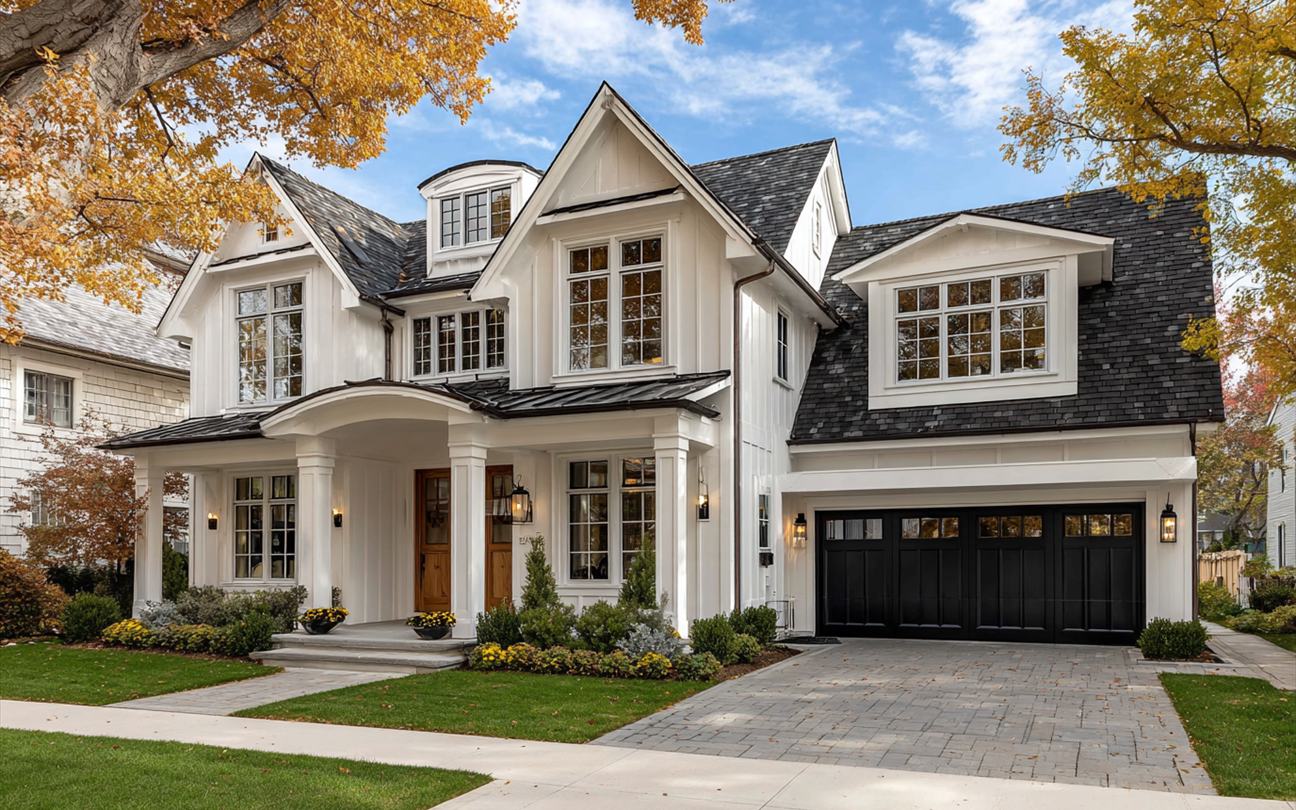
"What does a new roof cost?" is one of the most searched roofing questions around Edison, and one of the hardest to answer honestly from a distance. Two houses on the same street can have roofs priced very differently, for reasons that have nothing to do with the roofer's margin. This note goes through those reasons. It doesn't list prices, because any number here would be wrong for your house.
1. Size, Measured in Squares
Roofers measure in squares: one square is 100 square feet of roof surface. The roof is bigger than the house's footprint, because of the overhangs and the pitch. A low ranch and a two-story colonial with the same footprint can have very different square counts.
2. Pitch and Height
Steep roofs need more safety equipment, take longer to work on, and often need staging. Two- and three-story houses add time for moving material and debris up and down.
3. Layers Coming Off
One layer of shingles is a standard tear-off. Two layers roughly doubles the removal work and the debris, and adds dumpster weight. See tear-off or layover.
4. Decking
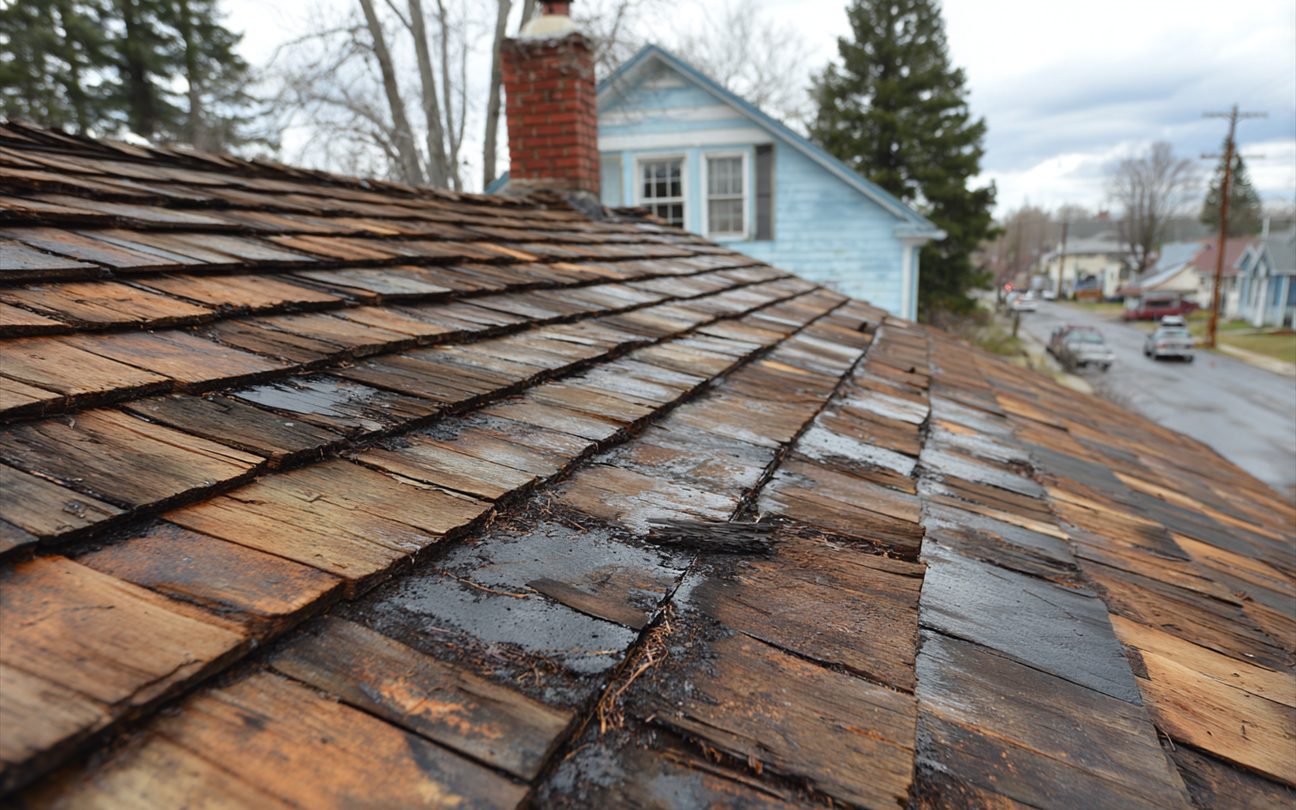
The biggest unknown. Soft, rotted or gapped decking has to be replaced or covered before new shingles go on. A good contract says how many sheets or boards are included and what each extra costs. See plank sheathing and old decking.
5. Complexity
Every valley, dormer, skylight, chimney and wall where the roof meets siding adds flashing, cutting and time. A simple gable ranch is the least complicated roof; a colonial with several roof planes, dormers and skylights is far more involved.
6. Materials
- the shingle line (3-tab, architectural or designer) and color
- how much ice barrier: just the eaves, or eaves, valleys and around every penetration
- synthetic underlayment over the rest of the deck
- new drip edge, flashing metal and pipe boots
- ridge vent, soffit vents and any added ventilation
- metal instead of shingles (see metal roofing)
7. Ventilation and Insulation Fixes
Correcting ventilation during the reroof, by cutting a ridge vent or opening soffits, adds to the job and protects the new roof. See attic ventilation and ice dams.
8. Access and Protection
A tight driveway, a fence close to the house, a pool or delicate landscaping all add setup and protection time. So does hauling debris a long way to the dumpster.
9. Permits and Paperwork
If the township requires a permit for your job, the fee and the time to obtain it are part of the cost. The contract should say who handles it.
10. Warranty Tier
The strongest manufacturer warranties often require a certified installer and a full system of the manufacturer's components, which can cost more than mixing products.
Reading Two Prices Side by Side
When you compare offers from two roofers, line them up item by item: layers removed, decking allowance and extra-sheet price, ice barrier coverage, underlayment, flashing (new or reused), ventilation, the exact shingle line, cleanup, permit, and warranty. A price that looks lower often leaves one of those out.
Timing and Weather
The calendar can affect the job too. Roofers are busiest in the warm months and after widespread storms, and some jobs can't proceed in heavy rain, high wind or deep cold, because shingles need warmth to seal properly. Planning a replacement in advance, rather than in the middle of a wet spell or right after a big storm, usually gives you more choice of dates and more time to compare roofers carefully.
Questions
Why won't a roofer give a price over the phone?
Because pitch, layers, decking and complexity can't be seen over the phone. A look at the roof and the attic makes the price meaningful.
Is the cheapest price a bad sign?
Not always, but compare the scope line by line. Big differences usually come from what's included.
Can I save by replacing only one side?
Sometimes, on a roof where one side ages faster. The shingles may not match exactly, and flashing at the ridge has to be done carefully.
Around Edison
Costs vary most between the complex roofs of East Brunswick colonials and the simple ranches of Lindenau. The job itself is on asphalt shingle roof replacement.
Tear-Off or Layover: Second Roofs on 1960s Edison Homes
Why a second layer changes the next job.

Checking an NJ Roofer's Home Improvement Contractor Registration
The state lookup, and what to ask for in writing.