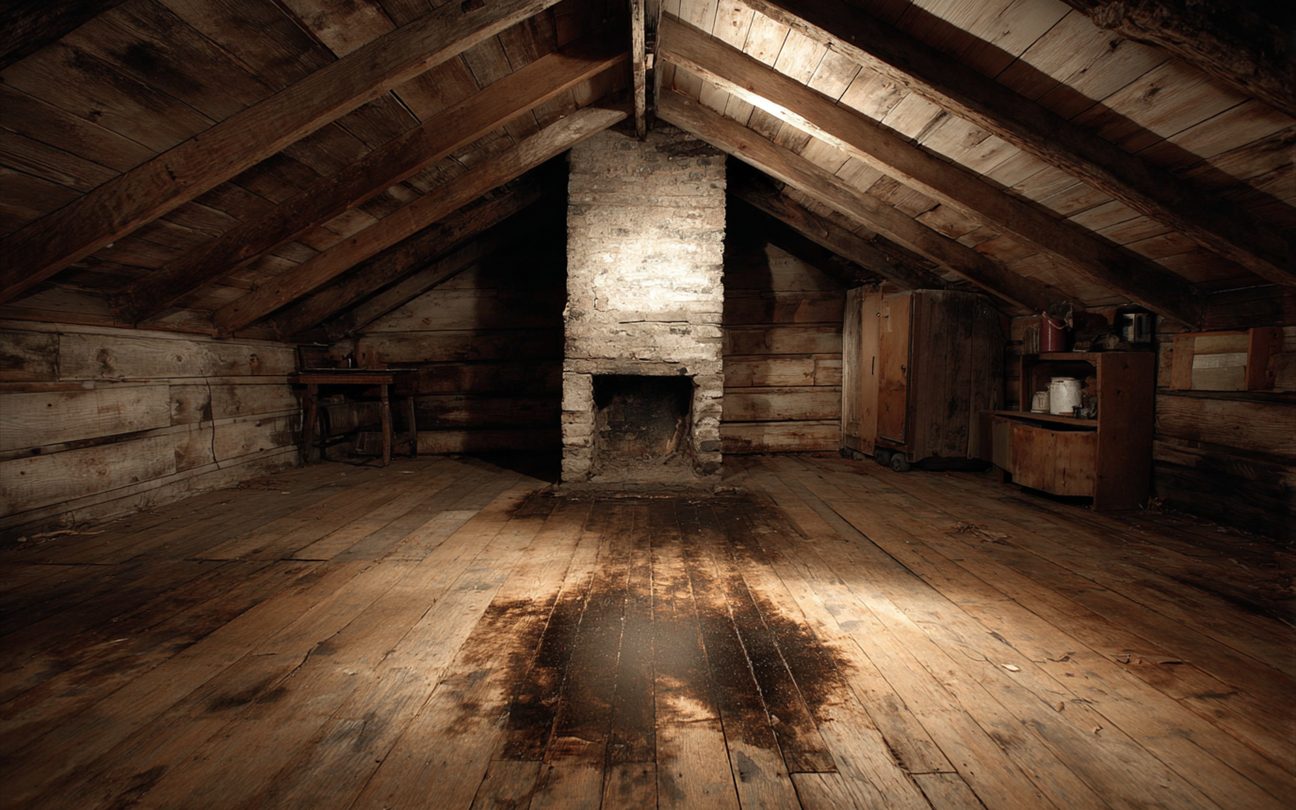
Go up into the attic of many older houses in Edison and look at the underside of the roof. Instead of large sheets of plywood, you may see rows of wooden boards, sometimes with gaps between them. That's plank sheathing, also called board decking. It was standard on houses built before plywood sheathing became common, and it's still holding up the shingles on plenty of homes around Middlesex County.
What the Decking Does
The decking (or sheathing) is the layer of wood the roof is nailed to. It spans the rafters, carries the weight of the roof and anyone working on it, and gives the shingle nails something to grip. Shingle manufacturers write their installation rules, and their warranties, around a solid, sound deck.
Plank vs. Plywood vs. OSB
| Decking | Where you find it | Strengths | Problems at reroofing time |
|---|---|---|---|
| Solid plank boards | Older homes, some early postwar houses | Strong, often old-growth lumber | Gaps, cupped or split boards, nails that miss |
| Spaced plank boards | Homes that once had wood shingles | Ventilated wood shingles well | Too many gaps for asphalt; needs to be covered |
| Plywood | Many postwar and later homes | Uniform, solid | Delamination where it's been wet |
| OSB | Newer homes and recent reroofs | Uniform, economical | Swells at edges when wet |
What Roofers Do With Plank Decking
During a tear-off, the roofer sees the decking for the first time in decades. Common approaches:
- Repair and keep it: replace split, rotted or badly cupped boards, refasten loose ones, and shingle over it if the gaps are small enough for the shingle manufacturer's rules.
- Cover it with new sheathing: install a layer of plywood or OSB over the planks, which gives a uniform nailing surface. This adds material and labor, and slightly raises the roof edge, which affects the drip edge and gutters.
- Replace sections: where water has rotted boards, usually at the eaves under years of ice dams, or around chimneys and valleys.
Which approach makes sense depends on the condition of the boards and the shingle manufacturer's requirements for the warranty you want.
Signs From the Attic
You can learn a lot with a flashlight from the attic hatch, without walking on anything:
- dark stains on boards, especially near chimneys, valleys and the eaves
- daylight showing through at the edges (not always a problem on its own)
- nails poking through that have rusted or have frost on them in winter
- boards that sag between rafters
- a musty smell, which points to moisture
Mention what you see when you call. It helps the roofer plan.
Why It Matters for the Price
Decking is the biggest unknown in a roof replacement, because nobody can see it until the old shingles come off. A good contract handles that with a clear number: how many sheets or boards of replacement are included, and the price for each additional one. Without that, decking becomes a surprise. See what a roof replacement costs depends on.
Ventilation and Old Decking
Old decking that's been warm and damp for years from a poorly ventilated attic tends to be in worse shape. When the roof is redone, adding proper intake vents at the soffits and exhaust at the ridge protects the new decking and shingles. More: attic ventilation and ice dams.
When Decking Gets Replaced Outside a Reroof
Most decking work happens during a replacement, but not all of it. A leak left for a long time, especially around a chimney or at an eave with recurring ice dams, can rot a section of decking under a roof that's otherwise fine. In that case, a roofer removes the shingles around the area, replaces the damaged boards or sheathing, and reshingles the patch. The shingles won't match perfectly on an older roof, but the deck underneath will be sound. Catching leaks early keeps these repairs small.
Questions
Is plank decking bad?
Not necessarily. Many plank decks are strong old lumber. The issues are gaps, warping and rot, which a roofer checks during a tear-off.
Will I have to pay to cover the planks with plywood?
Sometimes. It depends on the condition and the shingle manufacturer's requirements. Ask for it as a separate line in the price.
Can a roofer tell before the tear-off?
They can see a lot from the attic, but some problems only show once the shingles are off.
Around Edison
Plank decking is common on the older homes of Piscatawaytown and Clara Barton, and in older boroughs like Highland Park. The tear-off is covered in tear-off or layover.
Tear-Off or Layover: Second Roofs on 1960s Edison Homes
Why a second layer changes the next job.
How Long a Roof Lasts in Central New Jersey
Lifespans by material, and what shortens them.