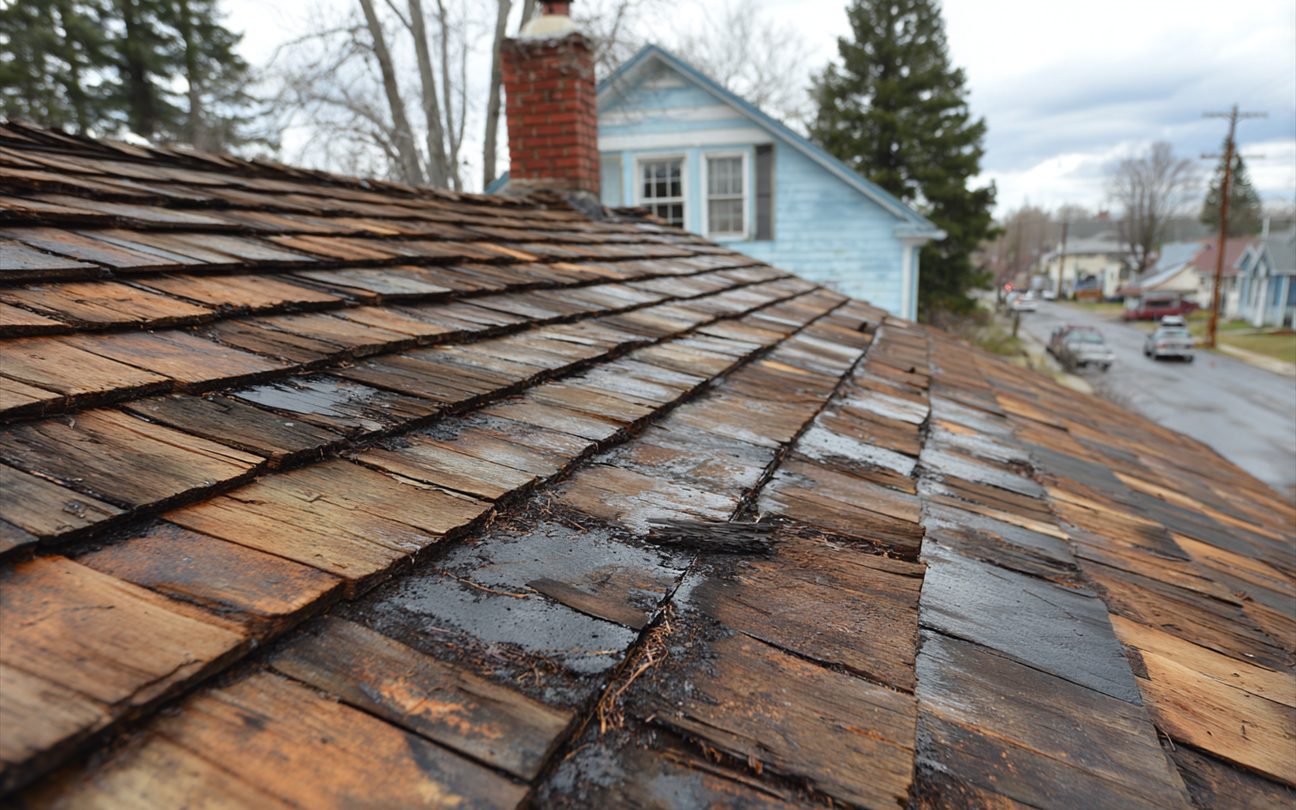
Tear-Off or Layover: Second Roofs on 1960s Edison Homes
Why a second layer changes the next job.
EDISON · LINDENAU
A second-layer roof wearing out, or an ice dam on a Lindenau home? A Middlesex County roofer, one call.
Lindenau (sometimes spelled Lindeneau) is one of the south Edison neighborhoods that a township library history lists among those built during a period of strong postwar housing demand, near the Edison train station. Its houses are mostly small ranches and Cape Cods. Many were reroofed once by laying new shingles over the originals, which was common in past decades. Those second layers are now reaching their own age. What you see is shingles that look uneven or wavy, with leaks that are hard to pin down. What it usually means is two layers, aging decking underneath, and water traveling between the layers before it shows.
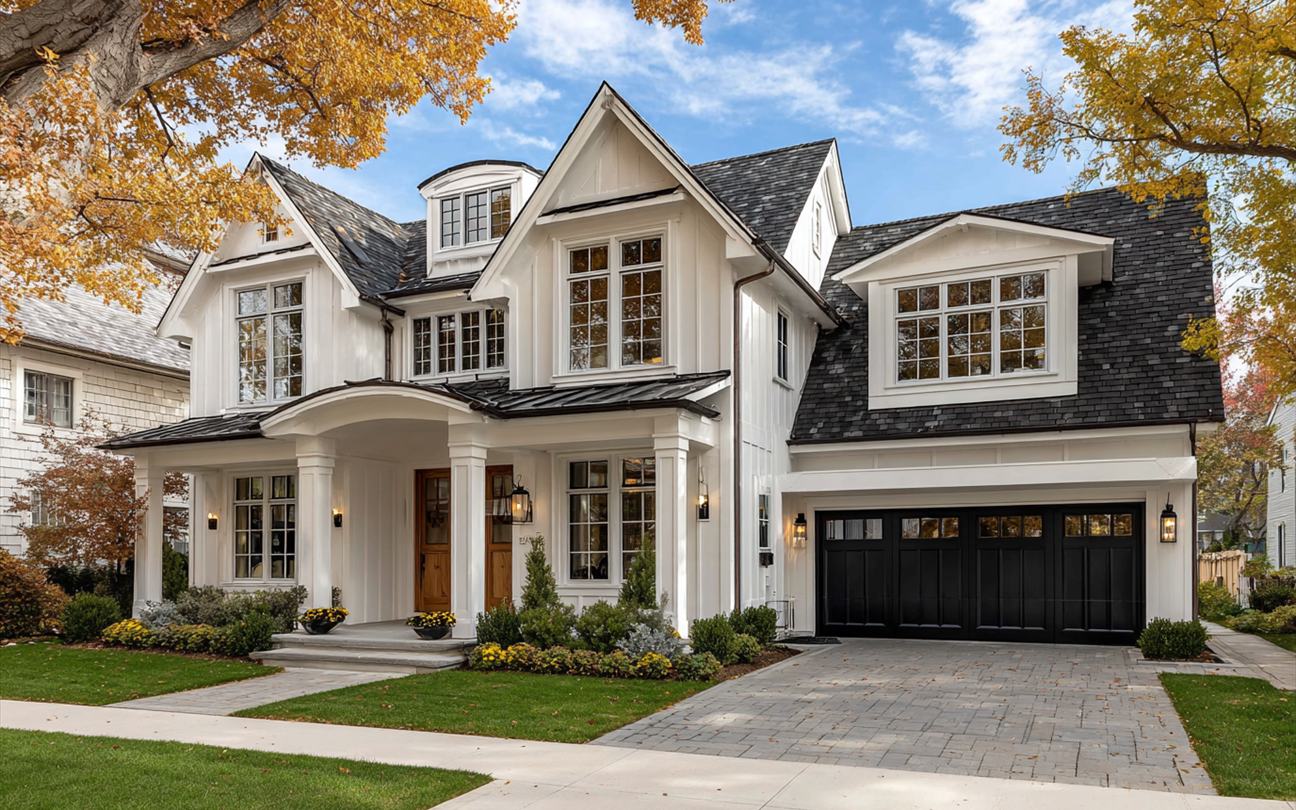
With two layers already on, the next roof has to start with a full tear-off. Ask how many sheets of decking the price includes and what extra sheets cost, because older decking often needs some replacement.
What Lindenau homeowners usually call about: leak and storm repair, a new shingle roof, a roof on an addition or garage, metal roofing, a flat section, or simply finding a roofer.
Look at the roof edge from somewhere safe on the ground, like across the street, or from a second-story window. Two visible lines of shingle edges usually mean two layers.
Why a second layer changes the next job.
Everything that moves the number, minus the number.