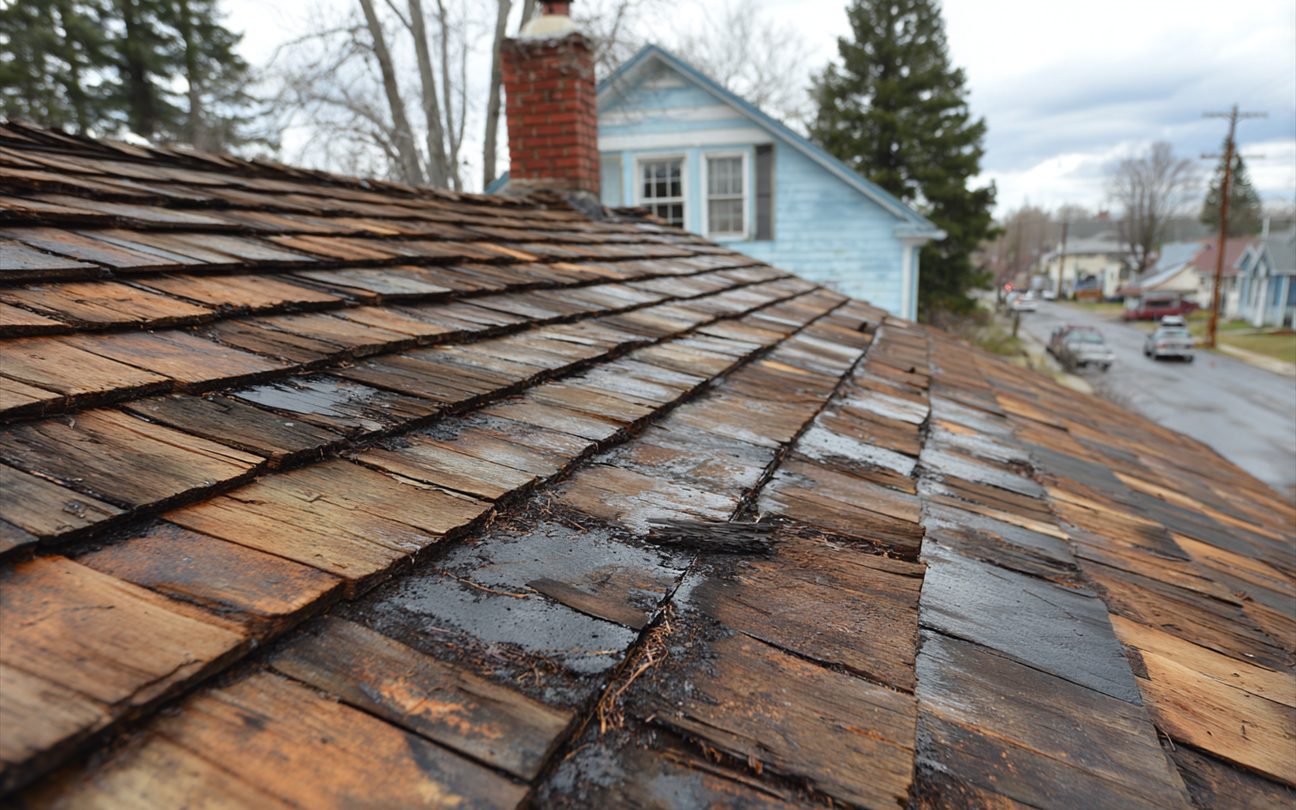
Walk down a street of 1960s split-levels in Edison and look closely at the roof edges. On a lot of houses you'll see two lines of shingle edges instead of one. That's a layover: a second roof laid directly on top of the first. It was a common way to save money for decades. Today, those second layers are wearing out, and they change what the next roof involves.
Why So Many Houses Have Two Layers
When the original roofs on postwar houses wore out, often in the 1980s and 1990s, laying new shingles over the old ones was faster and cheaper than tearing off. Building codes allowed it, within limits, and the new roof looked fine from the street. The catch is that a layover hides everything underneath: the decking, the old flashing, any rot at the eaves.
The Limit
Building codes used in New Jersey generally don't allow a new layer of asphalt shingles over a roof that already has two. In practice, that means a house with two layers must be torn off down to the decking before the next roof goes on. Even where one layover is still allowed, many roofers advise against it.
Tear-Off vs. Layover
| Tear-off | Layover | |
|---|---|---|
| What happens | All old shingles removed down to the decking | New shingles nailed over the existing layer |
| Decking | Seen, and repaired or replaced where soft | Hidden; problems stay under the new roof |
| Ice barrier at the eaves | Installed properly on the deck | Hard to install correctly |
| Weight on the framing | Back to one layer | Adds another layer's weight |
| Flashing | Rebuilt | Often reused or sealed over |
| Warranty | Full manufacturer options | Some warranties limited |
| Up-front cost | Higher: labor and disposal | Lower |
What a Tear-Off Usually Finds
On a 1960s house that's had a layover, roofers commonly find:
- decking at the eaves softened by years of ice dams
- old flashing that was never replaced, just covered
- plank decking with gaps (see plank sheathing and old decking)
- nails that missed the rafters
- vents that were covered over rather than kept open
None of that is visible until the shingles come off, which is why a good contract states how much decking replacement is included and what extra sheets or boards cost.
How to Tell if You Have Two Layers
From the ground or a second-floor window, look at the edge of the roof along the gutter or the rake. Two stacked edges, or an edge that looks unusually thick, usually means two layers. A roofer can confirm it in a minute from a ladder.
What a Tear-Off Adds to the Job
A tear-off takes longer and costs more than a layover: removing two layers by hand, hauling them away in a dumpster, and replacing decking as needed. It's also messier. A good crew protects landscaping, uses tarps, and runs a magnet across the lawn and driveway for nails. In exchange, you get a roof built on a sound deck, with ice barrier where it belongs and ventilation that can actually work.
If You're Buying a House With Two Layers
A home inspector will usually note a second layer of shingles. For a buyer, that's useful information: the next roof will need a full tear-off, and the decking hasn't been seen in decades. Neither is a reason to walk away, but both belong in the conversation about price and timing. Ask the sellers when the second layer went on and whether they have the contract. A roofer's look at the attic can tell you a lot about the condition of the decking before you buy.
Questions
Can I just put metal over the two layers?
Generally no. Two layers of shingles are too many to go over, and most metal systems require a sound, single-layer or bare deck.
Will a layover save money in the long run?
Usually not. It saves money up front, but the next roof will need a more expensive tear-off, and problems under the layover keep getting worse.
How long does a tear-off take?
It depends on the size of the roof, the number of layers and how much decking needs replacing. Many single-family tear-offs and reroofs take a few days.
Around Edison
Two-layer roofs are common in Lindenau and Menlo Park. The full job is described on asphalt shingle roof replacement.
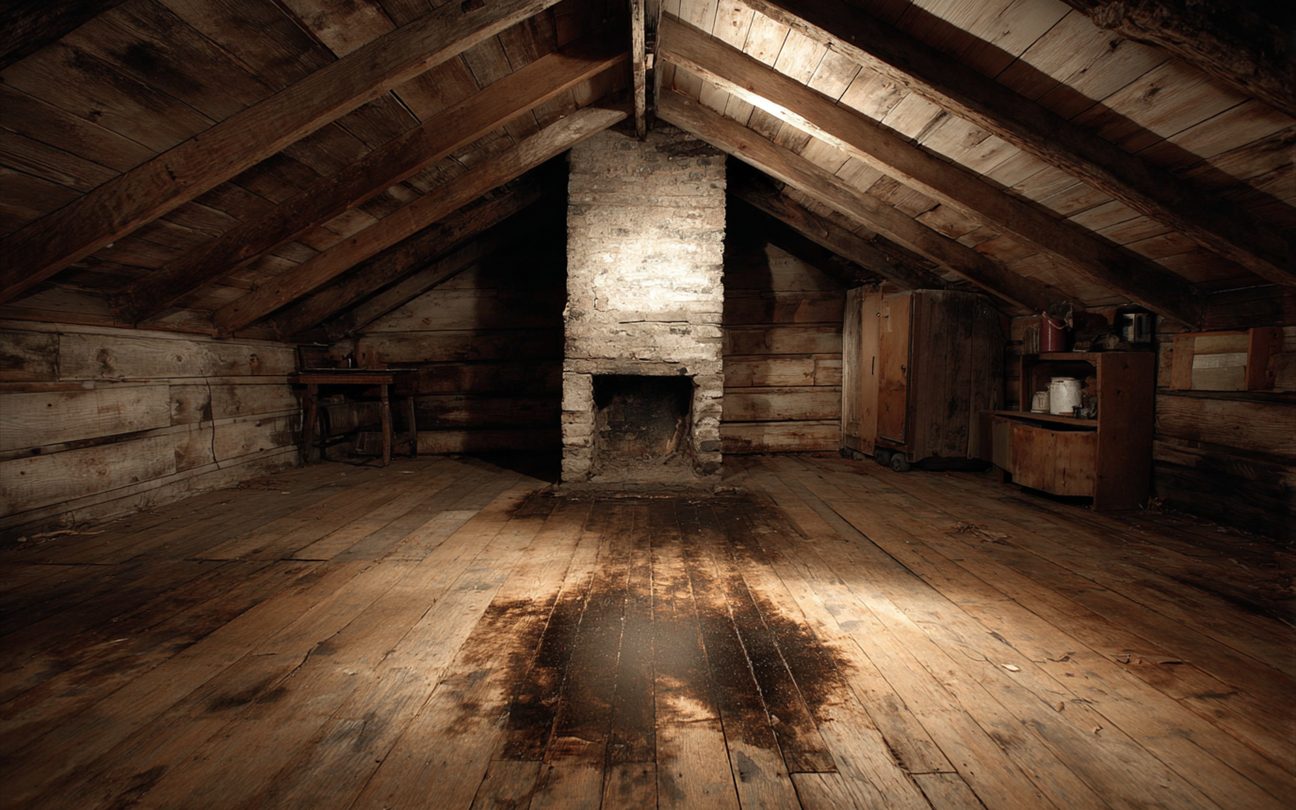
Plank Sheathing and Old Decking Under Mid-Century Roofs
What's under the shingles on older houses.
What a Roof Replacement Costs Depends On
Everything that moves the number, minus the number.