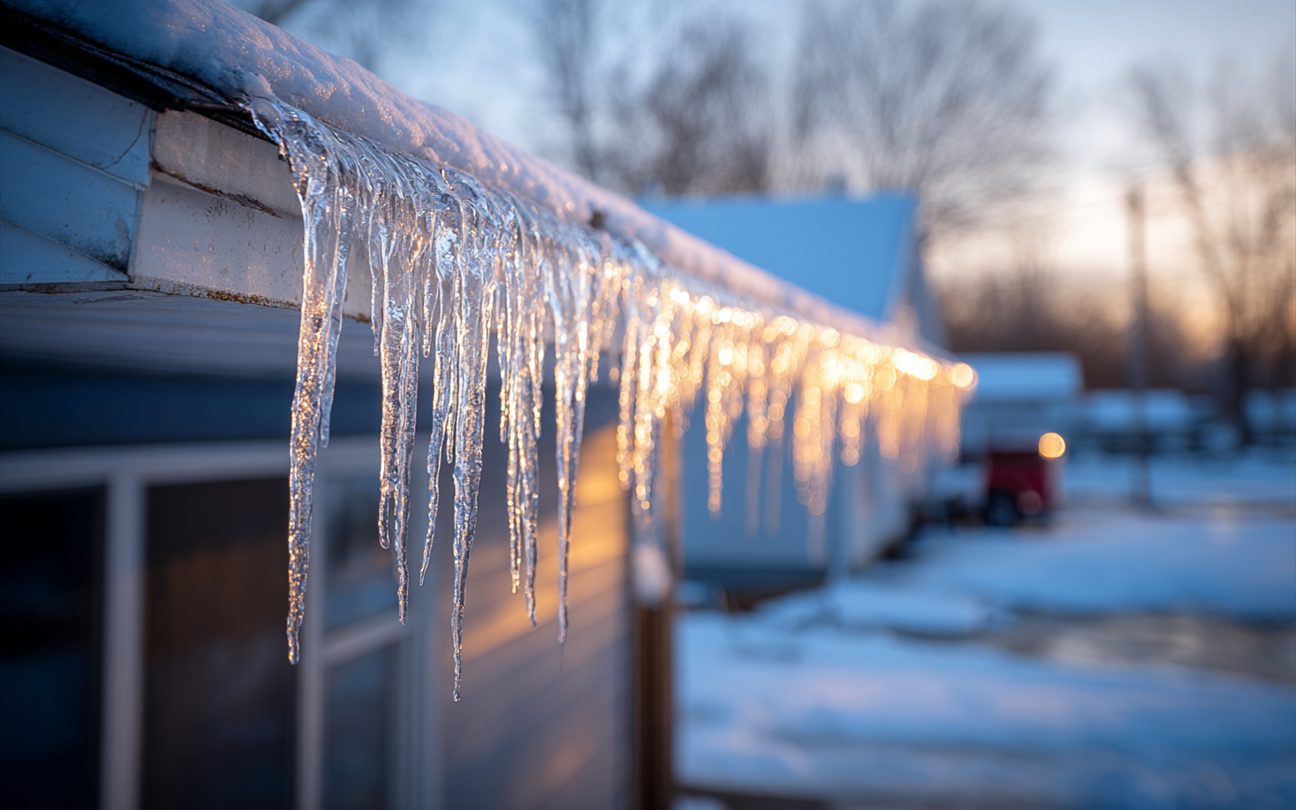
Some Edison houses grow a row of icicles every winter, and some don't, even on the same street. The difference is rarely the shingles. It's what's happening in the attic. Ice dams are an attic problem that shows up on the roof, and they're most common on the low-slope ranches and Cape Cods built all over the township after the war.
How an Ice Dam Forms
- Snow covers the roof.
- Warm air from the living space leaks into the attic and warms the roof deck.
- Snow on the warm upper roof melts, and the water runs down toward the eaves.
- At the eaves, past the outside wall, the roof is cold. The water refreezes into a ridge of ice.
- More meltwater pools behind the ridge and backs up under the shingles, which are designed to shed water downhill, not hold it back.
What you see is icicles and ice along the gutters. What it usually means is heat escaping into the attic. What happens next may be water stains at the top of exterior walls or ceilings near the outside wall.
Why Ranches Get It Worst
- Low slope: water drains slowly and backs up more easily.
- Little attic space: less room for air to move, and often minimal vents.
- Recessed lights and attic hatches: common leak paths for warm air.
- Old insulation: thin or settled insulation from decades ago.
- Blocked soffits: insulation or paint closing off the intake vents at the eaves.
What Actually Stops Ice Dams
| Fix | What it does | Who usually does it |
|---|---|---|
| Air sealing the attic floor | Stops warm air leaking from the house into the attic | Insulation contractors, sometimes roofers |
| Adding insulation | Keeps more heat in the living space | Insulation contractors |
| Balanced ventilation | Intake at the soffits, exhaust at the ridge, so the roof deck stays cold | Roofers, especially during a reroof |
| Ice barrier at the eaves | A self-sealing membrane under the shingles that resists backed-up water | Roofers, during a reroof |
ENERGY STAR has a homeowner guide to sealing and insulating the attic, which is where most ice-dam prevention starts.
What Doesn't Help Much
- Chipping ice off the roof: dangerous, and it damages shingles and gutters.
- Heat cables: they can keep a channel open, but they treat the symptom and add electrical load.
- Bigger gutters: they don't stop water backing up under the shingles.
During a Reroof
When a ranch roof is replaced, it's the moment to fix the causes: open or add soffit vents, add a ridge vent, extend ice barrier from the eaves up past the inside line of the wall, and make sure insulation doesn't block the soffits. That turns an ice-dam roof into one that sheds snow like it should.
Bathroom Fans and Dryer Vents
One common cause of attic moisture on older houses is a bathroom fan or a dryer vent that blows into the attic instead of outside. That warm, damp air condenses on the cold underside of the roof in winter, wets the decking and insulation, and adds to ice-dam problems. What you see is frost on the nails in the attic on a cold morning, or water stains on the decking with no roof leak above them. What happens next is routing the fan or vent to a proper roof or wall cap, which a roofer can install, especially during a reroof.
Questions
Are ice dams a sign the roof is bad?
Not by themselves. They're a sign the attic is too warm. They can damage a roof over time, though, especially the decking at the eaves.
Can a roofer fix ice dams without replacing the roof?
Partly. Ventilation can sometimes be improved, but ice barrier goes under the shingles, so it's usually added during a replacement.
Why do I only get them in some winters?
Ice dams need snow cover followed by cold weather, which central New Jersey doesn't get every year.
Around Edison
Ice dams are a familiar winter sight on the ranches of Menlo Park and Colonia. Leaks they cause are covered on roof leak and storm repair.
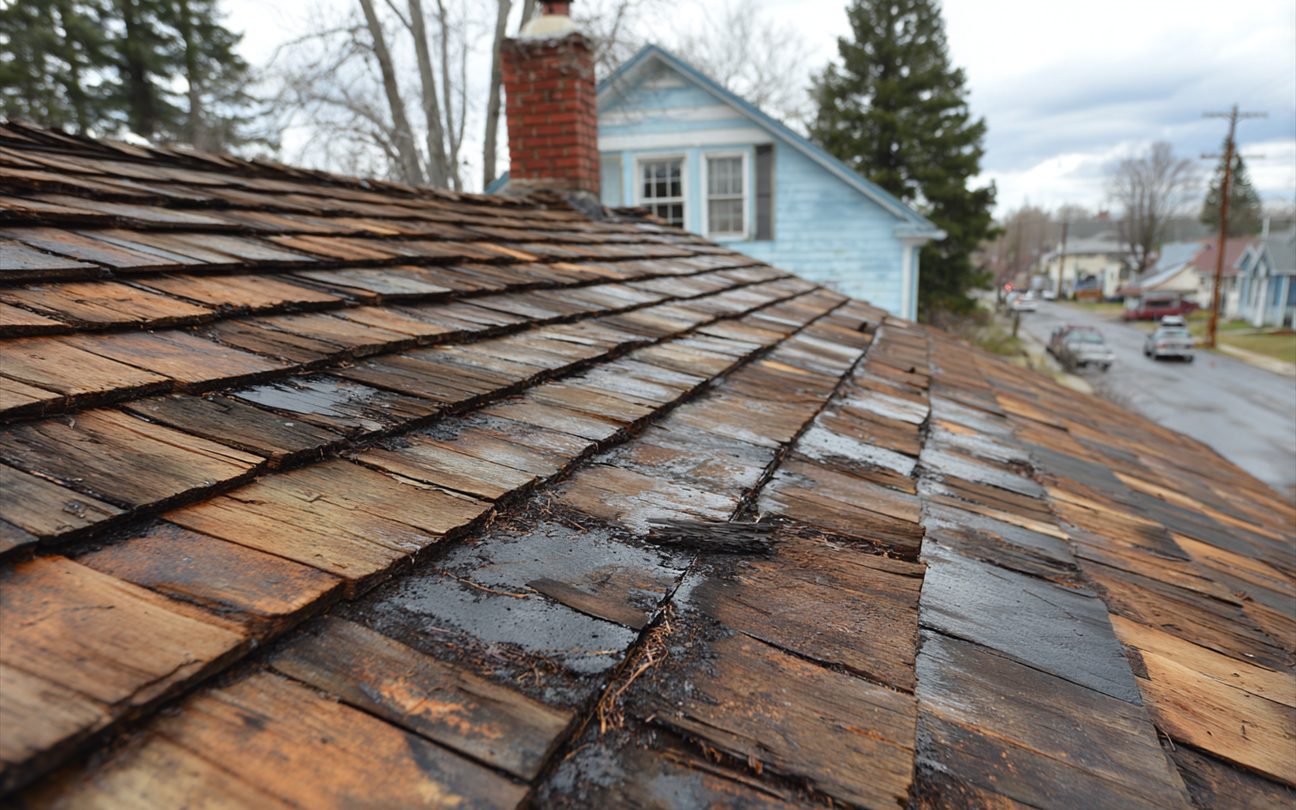
How Long a Roof Lasts in Central New Jersey
Lifespans by material, and what shortens them.
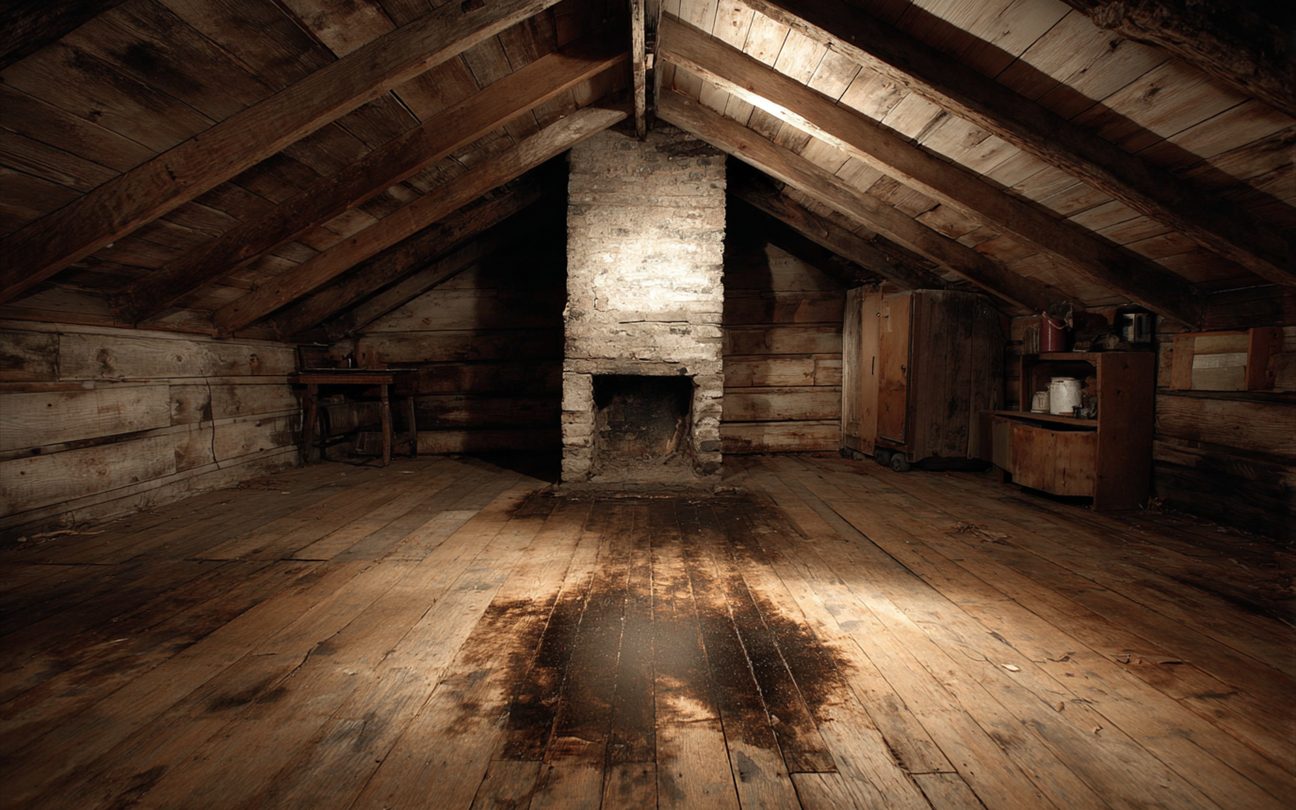
Plank Sheathing and Old Decking Under Mid-Century Roofs
What's under the shingles on older houses.