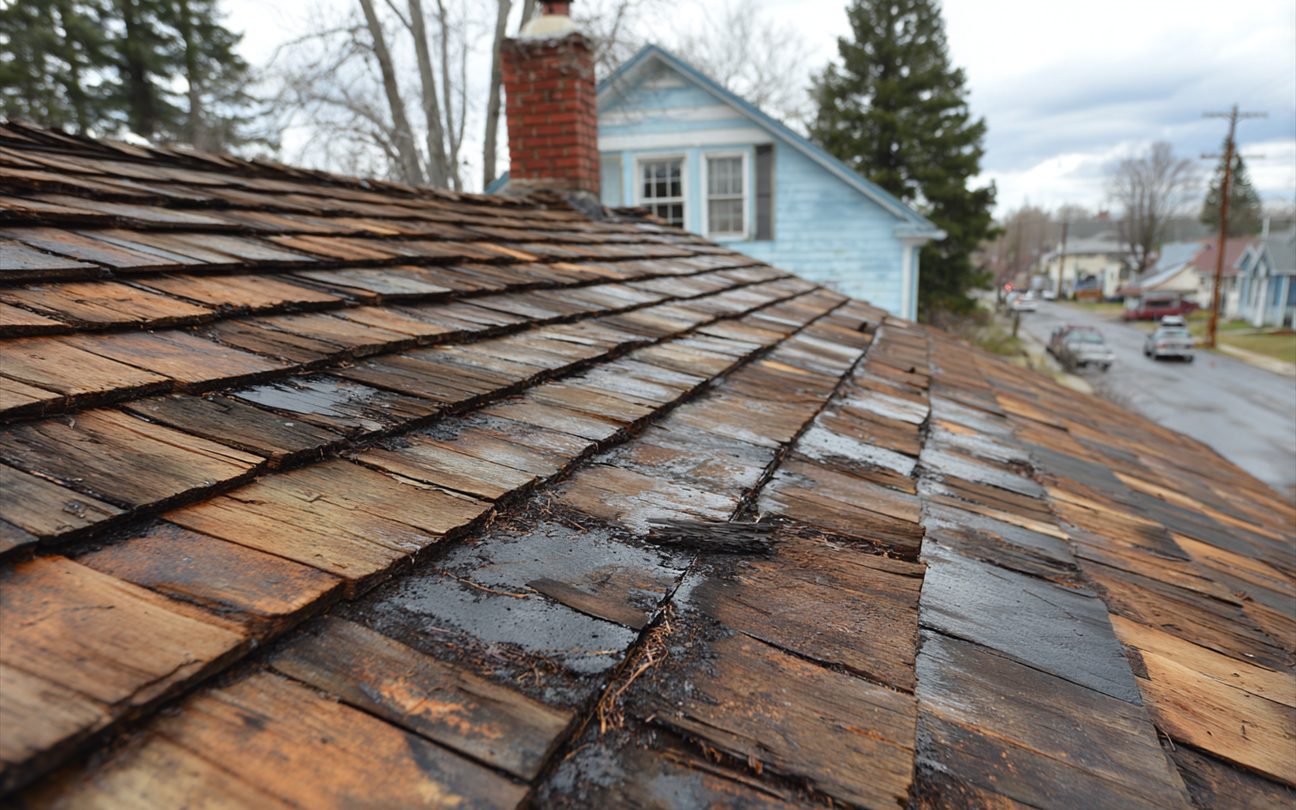
Every roof has a lifespan, and most of the decisions homeowners face (repair it, replace it, sell the house first) come down to where the roof is in that span. The numbers below are typical ranges, not promises. Two roofs installed the same week on the same street can age very differently, depending on the product, the installation, the attic beneath them and the trees above them.
Typical Lifespans
| Roof | Typical life in central NJ | What usually ends it |
|---|---|---|
| 3-tab asphalt shingles | About 15–20 years | Wind damage to thin tabs, curling, granule loss |
| Architectural asphalt shingles | About 20–30 years | Granule loss, brittleness, seal failure, leaks at flashing |
| Designer (premium) asphalt | About 25–30+ years | The same as architectural, more slowly |
| Standing seam metal | 40 years or more | Fasteners, sealants and coatings, rather than the panels |
| Metal shingles and stone-coated steel | About 30–50 years | Seams and coatings |
| Natural slate | Often 75 years or more | The nails and flashing, long before the slate |
| EPDM, TPO or modified bitumen (flat sections) | About 15–30 years | Seams, shrinkage, ponding and sun |
Manufacturer warranties are often longer than real-world life, because they're limited and prorated. The lifespan you actually get depends mostly on installation and ventilation.
What Shortens a Roof Here
- A hot, poorly ventilated attic. Many mid-century Edison houses have little attic ventilation. Heat bakes the shingles from below in summer, and moisture condenses on the decking in winter.
- Ice dams. Water forced under the eaves year after year rots the decking at the edge.
- Overhanging trees. Shade keeps roofs damp, leaves clog valleys, and branches scrape and fall.
- Wind. Nor'easters and summer storms lift aging shingles, especially on exposed faces.
- Layovers. A second layer of shingles over the first tends to run hotter and wear faster.
- Workmanship. Nailing, starter strips, flashing and the underlayment matter more than the brand on the bundle.
How to Tell How Old Your Roof Is
You don't need to climb anything:
- Check your paperwork. The home inspection report from when you bought the house usually notes the roof's approximate age. Permits on file with the township can help too.
- Ask the previous owner or neighbors. Houses on the same street often reroofed around the same time.
- Look from the ground. Curling edges, bald patches, lots of granules at the downspouts and uneven lines are signs of age.
- Look in the attic. Stains on the decking, daylight at the edges, or a musty smell suggest a roof that's been leaking.
- Let a roofer look. They can usually date a roof within a few years from the shingle type and condition.
When a Roof Is Running Out of Years
- shingles that are curled, cupped or cracked across many areas
- bald spots where the granules have worn off
- leaks that keep coming back in new places
- soft or spongy areas underfoot (for the roofer, not you)
- two layers already on, with the top one aging
A roof that shows several of these is usually a replacement conversation, even if it's leaking in only one spot.
Planning Ahead Instead of Reacting
Knowing roughly where your roof sits in its lifespan lets you plan instead of reacting to the next leak. A roof in its first decade mostly needs occasional checks after big storms. In its second decade, it's worth having it looked at every few years, especially the flashing and pipe boots, which often fail before the shingles. As it passes 20 years, many owners start setting money aside and get a replacement scope so they can choose the timing, rather than having a winter leak choose it for them. Replacing on your schedule also means a better choice of roofers, products and dates.
Questions
Is a 20-year-old roof automatically due for replacement?
No. A well-installed architectural roof over a well-ventilated attic can go longer. A roof with poor ventilation may not make it that far. Condition matters more than the number.
Does the warranty tell me how long my roof will last?
Not really. Shingle warranties are limited and usually prorated, and many require registration and certified installation.
Do darker shingles wear out faster?
Darker shingles absorb more heat, but ventilation and installation usually matter more than color.
Around Edison
Roofs on the large colonials of North Edison and the postwar streets of Colonia are reaching the ages in this table. When it's time, see asphalt shingle roof replacement.
Tear-Off or Layover: Second Roofs on 1960s Edison Homes
Why a second layer changes the next job.
What a Roof Replacement Costs Depends On
Everything that moves the number, minus the number.